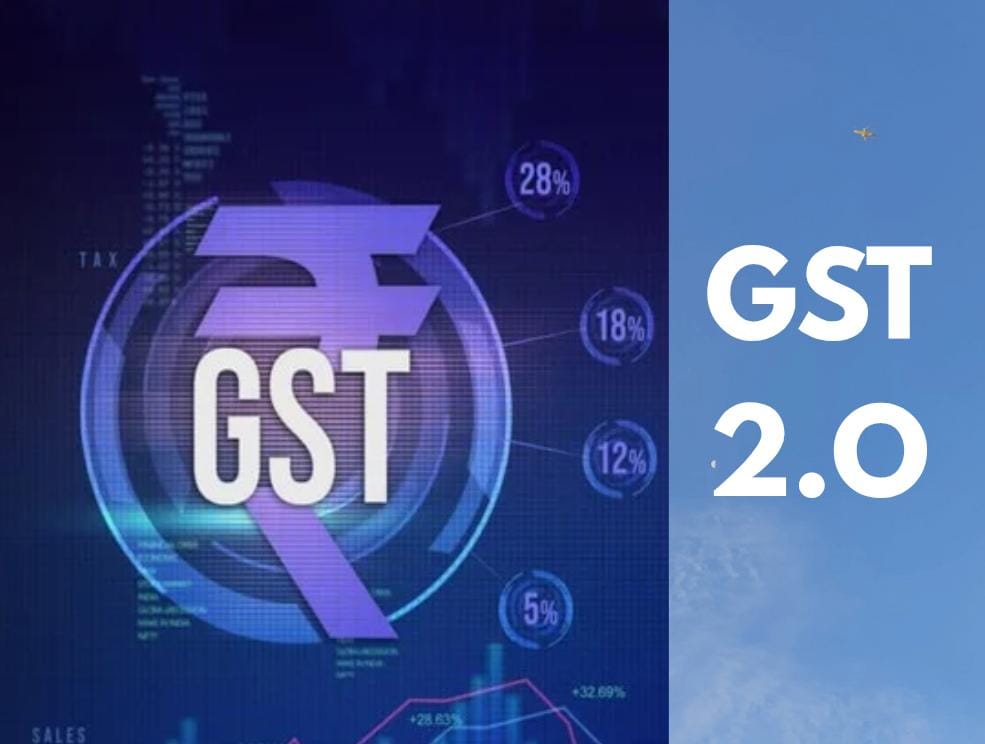
GST 2.0: Finance Ministry Leads Tax Reform Talks with Industry Leaders
Published by Aaerm Law Associates on June 5, 2025
Introduction: Ushering in a New Chapter for GST
India will mark eight years of Goods and Services Tax (GST) this July. In preparation, the Union Finance Ministry has taken an important step. It began direct discussions with industry leaders to identify challenges and explore new ways to reform GST. These talks aim to simplify the system, increase taxpayer compliance, and boost revenue collection.
Key Objectives Behind the Engagement
1. Simplifying the GST Structure
To begin with, industry leaders pushed for a simpler GST model. They proposed reducing the number of tax slabs, which currently stand at four. This step could ease compliance and reduce errors in filing.
2. Rationalizing Tax Rates
Moreover, there is growing agreement on merging multiple tax rates into a three-rate structure. This change would create a more consistent and efficient tax regime.
3. Clarifying Product Classifications
Businesses also raised concerns about vague product classifications. They asked the government to provide clearer guidelines. This move could significantly reduce tax-related disputes and litigation.
4. Improving Compliance Tools
Additionally, stakeholders recommended the launch of user-friendly portals and real-time data tracking tools. These features could streamline GST filing and help businesses stay compliant.
The GST Council’s Involvement
The GST Council plays a central role in these reforms. Finance Minister Nirmala Sitharaman heads the Council, while a Group of Ministers (GoM), led by Bihar Deputy Chief Minister Samrat Chaudhary, leads the review. The GoM is currently assessing how to simplify the tax structure and reduce the overall burden on businesses.
Although the Council postponed the rate rationalization decision during its December 2024 meeting, officials expect to reconvene in July. The upcoming session may bring concrete reform proposals to the table.
What Industry Experts Are Saying
Industry representatives welcomed the move. They highlighted that the current GST system, although more integrated than previous tax regimes, still contains loopholes. Complex filing processes, multiple tax rates, and inconsistent classifications continue to pose challenges.
Their feedback supports the idea of GST 2.0—an updated version of the tax system that reflects India’s evolving business landscape. Many believe a better structure will not only simplify operations but also reduce compliance costs and legal hassles.
Expected Outcomes from GST 2.0
If implemented, GST 2.0 could lead to several improvements:
- Simpler Tax Structure: Fewer tax slabs would make it easier for businesses to calculate and pay taxes.
- Higher Revenue Collection: By making compliance easier, more businesses could enter the formal economy.
- Lower Legal Disputes: Clear classification of goods and services would minimize court cases and reduce administrative delays.
- Stronger State-Federal Coordination: Rationalized tax structures could improve revenue sharing between states and the center.
Why GST 2.0 Matters Now
With India rapidly digitizing its economy and formalizing small businesses, a reformed GST is both timely and necessary. Furthermore, simplifying tax norms can attract foreign investors, reduce informal trade, and help local enterprises thrive.
Now more than ever, stakeholders expect clarity, fairness, and efficiency from India’s tax administration. If the Finance Ministry and GST Council follow through on the industry’s recommendations, GST 2.0 could become a game-changer for Indian business and governance alike.
Conclusion: A Step in the Right Direction
The Finance Ministry’s decision to actively involve industry leaders in GST reform reflects a forward-thinking approach. By considering feedback from those directly affected, the government demonstrates its commitment to building a tax system that supports growth.
As GST turns eight, India stands at the threshold of a new tax era. If reforms unfold as envisioned, GST 2.0 could help shape a more inclusive, efficient, and modern economic environment.