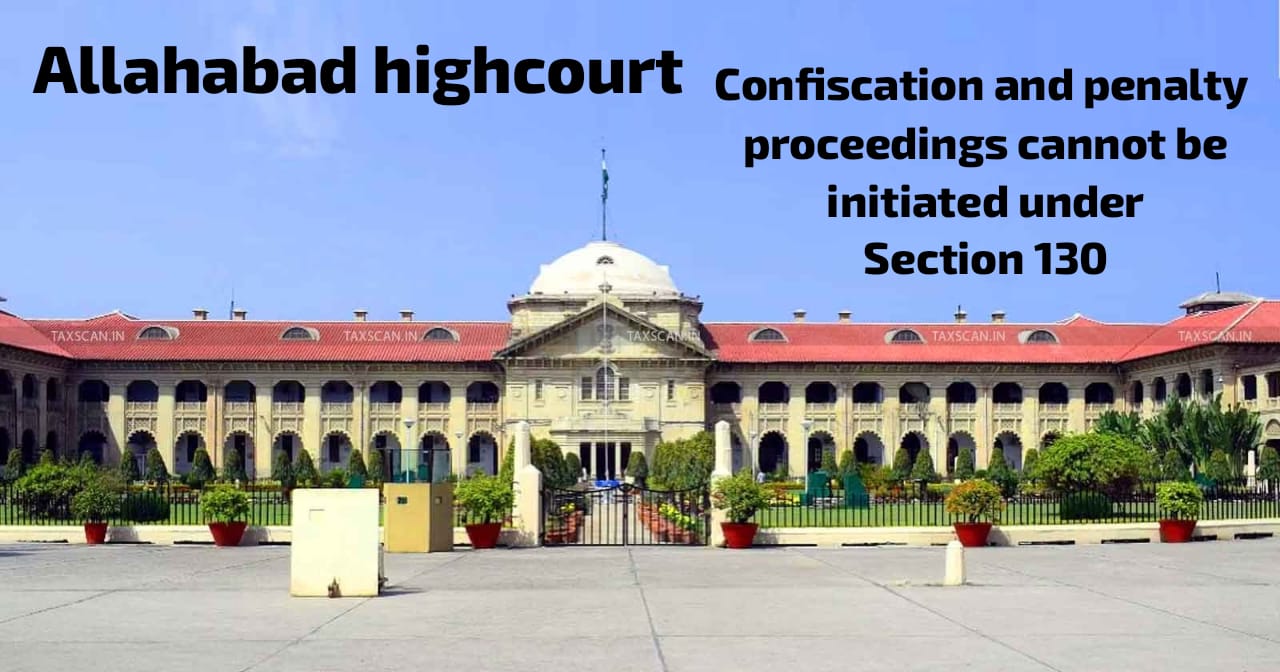
🔹 Allahabad HC Bars GST Confiscation under Section 130 for Mere Excess Stock — Orders Refund
🗓️ Date: July 4, 2025
✒️ By Aaerm Law Associates
📌 Key Takeaways at a Glance
The Allahabad High Court, in the landmark case M/s Maa Amila Coal Depot v. State of U.P. & Others [Writ Tax No. 1772 of 2025, dated May 30, 2025], clarified that Section 130 of the CGST Act does not apply when authorities find excess stock without evidence of tax evasion.
As a result, the Court:
- Struck down the confiscation and penalty orders issued by the Uttar Pradesh tax authorities.
- Directed a full refund of the amounts the petitioner paid under the challenged proceedings.
- Followed binding precedent from Dinesh Kumar Pradeep Kumar v. Additional Commissioner, which the Supreme Court later affirmed on April 17, 2025.
📚 Case Background: How the Dispute Emerged
The petitioner, M/s Maa Amila Coal Depot, contested the legality of orders dated July 27, 2022, and November 27, 2024, which the GST department passed under Section 130 of the CGST Act.
These orders accused the business of possessing undisclosed “excess stock”, allegedly warranting confiscation and penalties. However, the petitioner’s legal counsel countered with two key arguments:
- Excess stock alone does not prove tax evasion.
- The Court had already ruled in Dinesh Kumar Pradeep Kumar (2024) that such matters should proceed under Sections 73 and 74, which deal with tax assessment and recovery—not immediate confiscation.
Even after receiving extensions, the Respondents did not submit a counter affidavit, suggesting a lack of substantial defense.
⚖️ Legal Issue: What the Court Had to Decide
Could tax authorities lawfully invoke Section 130 of the CGST Act merely because they discovered excess stock during an inspection?
Or, should they instead follow the assessment procedure under Sections 73 and 74, particularly when there’s no concrete evidence of tax evasion?
🏛️ Court’s Ruling: Clear and Decisive
The Allahabad High Court thoroughly evaluated the issue and delivered a well-reasoned judgment:
✅ 1. Applied Established Precedent
The Court confirmed that this case closely mirrored Dinesh Kumar Pradeep Kumar, where it ruled that excess stock doesn’t justify confiscation. The Supreme Court’s affirmation further solidified that position.
🧾 2. Cited the Relevant Legal Framework
Referring to Section 35(6) of the CGST Act, the Court noted that any discrepancies in recorded stock require action under Sections 73 or 74—not under Section 130—unless there’s intent to evade tax.
❌ 3. Quashed the Confiscation Orders
The Bench annulled all orders passed under Section 130, stating they contravened settled law.
💰 4. Ordered Refund of Deposits
The Court instructed authorities to return all deposits made by the petitioner, in accordance with the law.
🔁 Judicial Support from Similar Rulings
Several courts have delivered consistent judgments in comparable situations:
🧑⚖️ JHV Steels Ltd. v. Union of India (October 29, 2024)
The Delhi High Court invalidated confiscation notices based solely on excess inventory, emphasizing the need for proper legal basis.
🧑⚖️ Shree Om Steels v. Additional Commissioner (July 19, 2024)
The Court clarified that Section 130 should apply only when authorities demonstrate tax evasion, not simple accounting discrepancies.
🧑⚖️ Eco Plus Steels Pvt. Ltd. (April 3, 2024)
The Allahabad HC stressed that estimating stock without measurement or documentation breaches procedural fairness and cannot lead to confiscation.
📊 Implications for Stakeholders
✅ For Taxpayers
- Stay Calm During Inspections: Discovery of excess stock doesn’t mean you’ve committed an offense.
- Challenge Unjust Orders: Use this judgment as a legal tool to dispute wrongful actions taken under Section 130.
- Claim Refunds Promptly: If you’ve paid fines under similar circumstances, you can now seek refunds with stronger legal footing.
⚠️ For Tax Authorities
- Avoid Overreach: Officers must not initiate confiscation unless clear intent to evade tax is evident.
- Use Proper Channels: Stock discrepancies must be addressed through Sections 73 and 74, which provide for investigation and assessment.
- Document Everything: Departments should ensure they weigh, measure, and record stock accurately, avoiding reliance on estimates or assumptions.
💡 Strategic Recommendations
To ensure full compliance with the law and reduce exposure to legal risk, businesses and consultants should:
🔍 1. Re-evaluate Existing Cases
Audit ongoing and past cases where Section 130 was used for excess stock. Consider challenging those orders based on this ruling.
📄 2. Demand Proper Documentation
Whenever authorities issue notices for excess stock, insist on detailed verification reports, including inventory photos, weight slips, and acknowledgment.
⚖️ 3. Build a Strong Legal Response
If you’re served with a Section 130 notice, reference this judgment and related precedents in your reply or legal filing.
📞 4. Consult GST Law Experts
Navigating GST litigation or refund processes can be complex. Collaborate with professionals to avoid procedural missteps and secure rightful relief.
🧾 Conclusion: A Win for Law and Business Stability
This judgment from the Allahabad High Court strengthens taxpayer protection against arbitrary enforcement of GST laws. It sends a strong message: confiscation is not an automatic consequence of inventory variation.
Instead, the ruling promotes structured tax governance, insisting that officials must follow proper assessment channels before taking coercive action. Businesses now have strong legal grounds to defend their rights and challenge unjust orders.