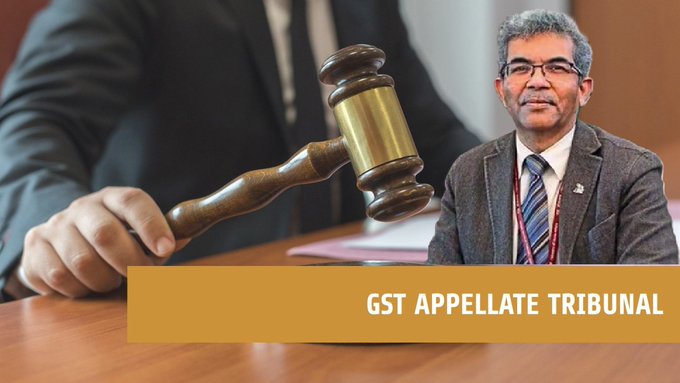
GST Appellate Tribunal: A Panacea for Disputes?
Introduction: A Long-Awaited Beginning
Stakeholders have long awaited the operational launch of the GST Appellate Tribunal (GSTAT). Despite several milestones, including the recent notification of its procedures, it began functioning just last week—with only one member of the Principal Bench in place. As the first independent forum outside GST administration, GSTAT plays a crucial role in resolving tax disputes fairly.
Why Objectivity Matters
GSTAT includes judicial members with legal expertise, providing greater objectivity compared to internal departmental appeals. It also offers a quicker and more affordable alternative to High Court litigation, especially for taxpayers seeking relief.
The Larger Problem
However, GSTAT alone won’t solve all disputes. The broader dispute resolution framework needs reform. GST, though it absorbed taxes like Excise, VAT, and Service Tax, introduced new concepts like “supply” and redefined tax norms. Early disputes were expected, but the current volume and slow resolution rate are concerning.
Many taxpayers find relief only after expensive and time-consuming High Court appeals, largely because early adjudication often favors the tax department. The frequent need for amnesty schemes indicates systemic inefficiency.
Key Areas of Reform
1. Simplifying Rate Structures
Simplifying GST rates—currently under review by a Group of Ministers—can help prevent disputes. But it’s effective only if similar items (e.g., types of bread) are taxed under broad-banded merit rates.
However, this may lead to rate inversion—where inputs are taxed at a higher rate than outputs. In such cases, a strong refund mechanism for Input Tax Credit (ITC) must be in place. Refunds should apply equally to input goods and services.
2. Fixing the Advance Ruling System
Advance Rulings help taxpayers gain clarity and prevent litigation. But each state has its own authority, causing inconsistent rulings on identical issues.
A national-level digital database for Advance Rulings could help avoid conflicting decisions. Rulings should also have nationwide applicability, with states allowed to present views during proceedings in other states to foster broader consensus.
3. Resolving Data Discrepancy-Driven Disputes
A large number of disputes stem from data mismatches between various GST returns or with third-party data. While some errors are honest mistakes, others arise from misunderstanding or attempts at evasion.
To reduce such issues:
- Conduct awareness sessions for taxpayers.
- Promote use of validated software tools.
- Issue regular advisories by GSTN on common errors, especially when return formats change.
4. Addressing Interpretation Conflicts
The most frequent disputes involve differing interpretations between taxpayers and tax officials. These cover issues like taxability, applicable rates, exemptions, and procedural compliance.
Fortunately, the GST Council’s Circulars have resolved many disputes by clearly stating the government’s position. However:
- The Council should adopt an early warning system to identify widespread or high-stake disputes early.
- An Impact Assessment Report should evaluate whether Circulars are being followed and whether they actually reduce disputes.
- Issuing draft Circulars for public feedback would further improve their quality and acceptance.
5. Streamlining Compliance Verification
Disputes also arise from audits, investigations, and scrutiny. Often, these are duplicated across states or departments, straining the taxpayer’s resources.
To fix this:
- Develop centralized verticals for audits and investigations, especially for large national businesses.
- Clearly define the start of an investigation (e.g., upon issuance of summons).
- Digitalize the process to avoid overlap and improve transparency.
6. Training and Accountability
Fair dispute resolution requires well-trained officers. Many High Court cases fail due to procedural lapses—like lack of proper notice, denial of hearings, or ignoring legal arguments.
CBIC has issued guidelines for processes like summons and investigations. These should:
- Be recognized as best practices by states.
- Be monitored through Quality Assurance Reviews to ensure compliance.
Conclusion: GSTAT is a Major Step, But Not a Complete Solution
Setting up GSTAT is a vital step toward a fair dispute resolution mechanism. However, true reform demands deeper changes—simplified procedures, consistent rulings, transparent audits, and better-trained officials.
Only a comprehensive overhaul can ensure the GST system lives up to its promise of efficiency, fairness, and taxpayer trust.